
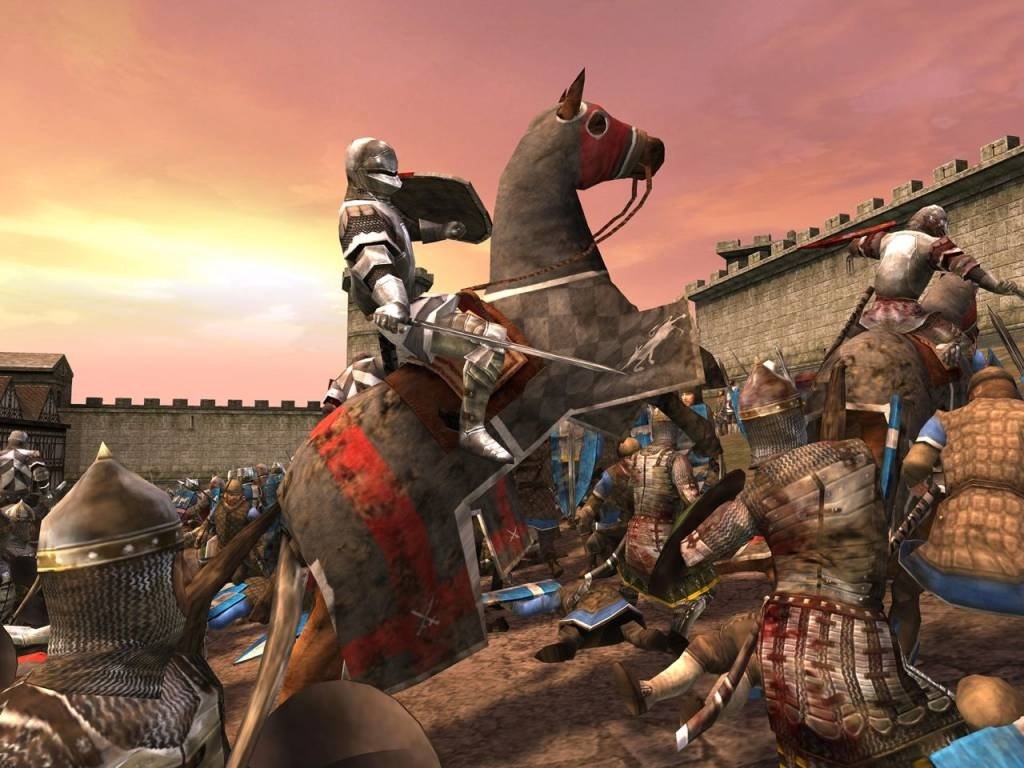
The Evolution of Gaming: From Pong to Modern Masterpieces
The evolution of gaming is a remarkable journey that reflects significant technological advancements and cultural shifts over the decades. It all began in the early 1970s with simple yet groundbreaking titles like Pong. Developed by Atari, Pong was a digital rendition of table tennis, introducing players to two-dimensional gameplay for the first time. It set the foundation for game design, emphasizing competitive interaction, and became an iconic symbol of the nascent video game industry.
As the 1980s approached, the gaming landscape expanded with the introduction of Space Invaders. This title revolutionized gaming by bringing forth a scoring mechanism and progressively challenging gameplay, drawing players into an experience of both strategy and action. Space Invaders not only created a lasting impact on arcade culture but also underlined the potential for storytelling in games. It was during this period that arcade gaming became a social activity, influencing the development of multiplayer formats.
Another hallmark title from this transformative period was Tetris, which emerged in the late 1980s. Tetris introduced innovative puzzle mechanics, combining simplicity with progressively complex challenges. Its universal appeal crossed cultural borders, paving the way for mobile gaming and casual gaming culture that thrives today. The game’s modular grid and strategic layering would have profound implications for future game design, encouraging developers to explore geometric layouts and user-friendly mechanics.
Each of these influential titles manifests the progression of gaming technology and design philosophies. They serve not only as milestones in gameplay mechanics but also as cultural phenomena, shaping how society views and engages with interactive entertainment. Their legacy continues to influence contemporary game development, underscoring the intricate relationship between gaming and technological advancement.
Pioneering Gameplay Mechanics and Genres
Throughout the history of video games, certain titles have emerged as game-changers, establishing new gameplay mechanics and genres that defined entire eras. One of the most notable examples is Super Mario Bros., released in 1985 by Nintendo. This iconic platformer not only popularized side-scrolling gameplay but also introduced an array of mechanics that enhanced player experience, including power-ups, timed levels, and progressive difficulty. The game’s success set a benchmark for platforming games, influencing countless titles and establishing a formula that remains prevalent in the gaming industry.
In the realm of open-world exploration, The Legend of Zelda, which debuted in 1986, fundamentally altered player expectations regarding freedom and immersion. Unlike its predecessors, this game allowed players to explore vast landscapes and tackle challenges in a non-linear fashion. Its introduction of puzzles, inventory management, and diverse environments laid the groundwork for future open-world titles. The impact of The Legend of Zelda resonates to this day, as various franchises have adopted and refined its exploratory gameplay model, continually pushing the boundaries of what is possible in video game design.
Another significant title that set industry trends is DOOM, released in 1993. This game is widely regarded as the pioneer of the first-person shooter genre, offering a blend of fast-paced action, 3D graphics, and immersive gameplay. With its innovative use of networked multiplayer capabilities, DOOM transformed the gaming landscape, showcasing the potential for competitive play and online experiences. Its mechanics influenced a generation of developers, leading to the emergence of numerous first-person shooters that sought to replicate its engaging combat and atmospheric environments.
These groundbreaking titles not only introduced novel gameplay mechanics but also shaped player expectations, influencing subsequent game design and genre development. By setting these industry standards, they have become touchstones for both players and creators alike, ensuring their legacy endures in the ever-evolving gaming world.
Technological Innovations That Changed the Game
The gaming industry has continually evolved, driven by groundbreaking technological advancements that have transformed how games are created and experienced. One of the pivotal titles that showcased this shift is Final Fantasy VII, which introduced audiences to 3D graphics and a richly detailed narrative. Its leap from 2D to 3D not only enhanced visual storytelling but also set a new standard for the role-playing game (RPG) genre. The embrace of 3D rendered not only visuals but also how players engaged with game worlds, setting trends for future titles and leading to the development of powerful gaming consoles.
Another monumental shift occurred with the advent of online multiplayer, epitomized by the success of World of Warcraft. This world-renowned MMORPG redefined player interactions through its vast online environments where users could team up, compete, or simply socialize. The implications were profound as developers began prioritizing online connectivity and community building. This shift not only fostered a sense of belonging among players but also prompted the industry to invest in networking technologies and servers to accommodate growing user bases, making online gaming a permanent fixture in the gaming landscape.
In recent years, virtual reality (VR) has emerged as a transformative force within the industry, with titles such as Beat Saber leading the charge. This game integrated motion controls and immersive environments, allowing players to engage with gameplay in previously unimaginable ways. The incorporation of VR technology has expanded the creative possibilities for developers and reshaped player expectations regarding interactive experiences. As each innovation continues to build upon its predecessors, the gaming landscape evolves, paving the way for newer formats, hardware, and user engagement strategies that will undoubtedly influence future trends.
The Rise of Indie Games and Crowdsourced Development
The gaming industry has witnessed a significant transformation with the rise of indie games and crowdsourced development. Unlike traditional game development, which often requires the backing of large studios, indie games are typically created by small teams or even individual developers who share a passion for gaming. This shift has opened up new avenues for creativity and innovation, allowing for the emergence of unique titles that might have otherwise gone unnoticed.
One of the most noteworthy examples of this trend is Minecraft, a sandbox game developed by Markus Persson. Initially launched as an independent project, Minecraft captured the imagination of players across the globe with its simple yet engaging mechanics, fostering a vibrant community of creators. This phenomenon demonstrated that successful games could arise from grassroots efforts rather than the extensive resources typically associated with major game publishers.
Another significant title in the indie gaming landscape is Stardew Valley, created by Andrew Spinks. This farming simulation game gained immense popularity due to its charming graphics and in-depth gameplay, all stemming from a passionate solo development process. Both Minecraft and Stardew Valley illustrate how accessible development tools and digital distribution platforms have reshaped the gaming industry.
Platforms like Kickstarter and Steam have also played a crucial role in this evolution. Kickstarter has enabled developers to fund their projects directly through public backing, allowing for innovative ideas to come to fruition without requiring traditional investment. Meanwhile, Steam has provided an accessible distribution platform, making it easier than ever for indie games to reach a wide audience. Together, these tools have democratized access to the gaming market and inspired a new generation of creators to explore their artistic visions.
As a result, the trend of indie games continues to thrive, consistently challenging the conventional norms and showcasing that passion and creativity can lead to remarkable game experiences outside the realm of major studios.
No responses yet