
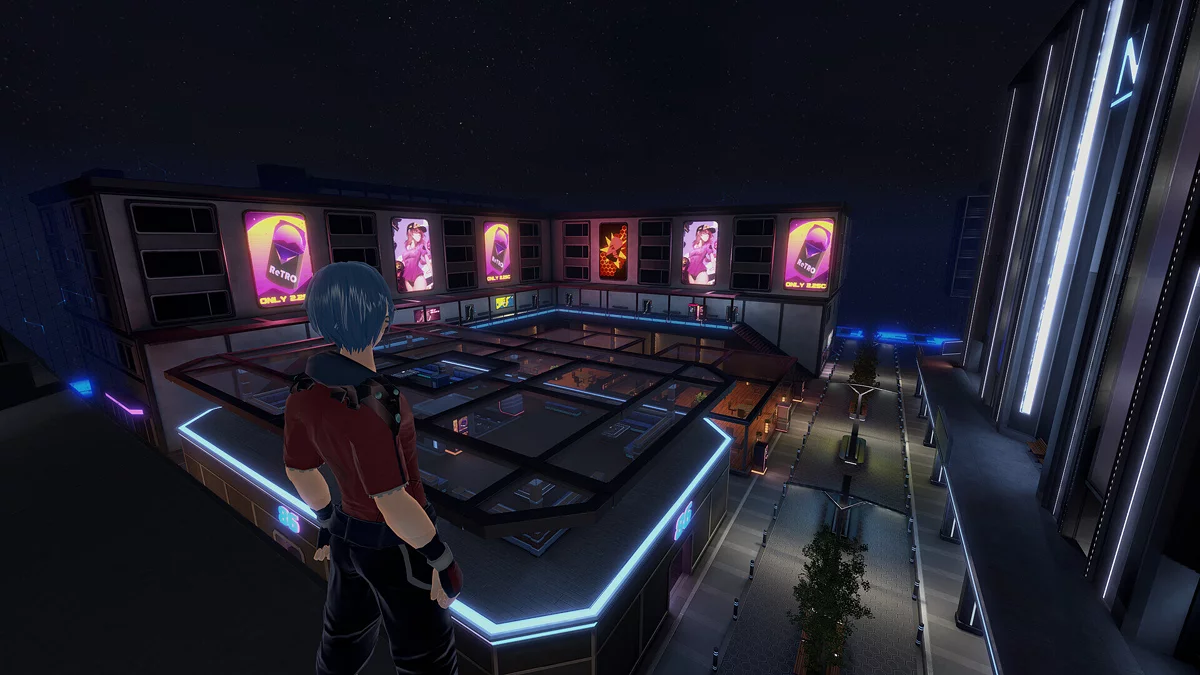
Introduction to Atmospheric Gaming
Atmospheric gaming encompasses a unique experience where players are drawn into a richly designed world, characterized by immersive visuals and captivating auditory elements. The essence of atmospheric games lies in their ability to evoke emotions and provoke a sense of wonder through various artistic components. A successful atmospheric game effectively blends art style, lighting, environmental details, and sound design to craft an engaging narrative that captivates the player’s imagination.
The art style serves as the foundation for the game’s visual identity, encompassing various techniques and trends that influence player perception. From realistic graphics that replicate the intricacies of the real world to stylized visuals that create an artistic interpretation, the chosen art style plays a critical role in establishing the atmosphere. This diversity offers players a spectrum of experiences, fostering connections with the game world.
Lighting, another vital aspect, enhances the emotional impact and sets the tone throughout the gameplay. Dynamic lighting techniques can change a scene’s mood, guiding players through the narrative while maintaining engagement. Subtle shifts—such as shadows cast across a darkened alley or the warm glow of a sunset—enrich the overall experience and provide players with memorable moments.
Furthermore, environmental details are crucial in building immersion. The meticulous design of landscapes, buildings, and interactive elements contributes to the player’s sense of place within the game. Each tree, stone, or sound of rustling leaves can evoke feelings of nostalgia or excitement, encouraging exploration and interaction.
Lastly, sound design complements the visual elements, using music and ambient sounds to create an all-encompassing experience. The combination of carefully curated soundscapes with evocative melodies forms an emotional resonance that enhances the storytelling, engaging players in ways that visuals alone cannot achieve. Overall, the synergy of these elements creates unforgettable gaming experiences that define atmospheric gaming.
Top 5 Games with Exceptional Graphics and Atmosphere
In the realm of video gaming, aesthetic appeal and an immersive atmosphere play crucial roles in shaping player experiences. Here, we present a curated list of five standout games that are renowned not only for their impressive graphics but also for their ability to transport players into vivid and engaging worlds.
The first title that deserves mention is Red Dead Redemption 2. This action-adventure game is hailed for its stunning open-world design, which captures the essence of the American West. Its meticulous attention to detail—from the dynamic weather systems to the lifelike character animations—ensures an unparalleled immersion. Players are drawn into a richly crafted narrative that thrives on realism, making every moment feel consequential.
Second on our list is The Last of Us Part II. This post-apocalyptic narrative-driven game showcases a remarkable graphical style, characterized by its intricate environments and emotive character designs. The atmospheric storytelling complemented by the breathtaking visuals immerses players in a world that is both haunting and beautiful, reinforcing the game’s intense emotional impact.
Ghost of Tsushima comes next, demonstrating an extraordinary graphical fidelity that encapsulates the beauty of feudal Japan. The game features a vibrant color palette, sweeping landscapes, and stunningly detailed character models that enhance its atmosphere. The carefully crafted world invites exploration while drawing players into an epic story of honor and bravery.
Another notable mention is Horizon Zero Dawn. Its unique blend of nature and futuristic technology is visually spectacular. The lush environments and varied ecosystems create an immersive setting that profoundly impacts gameplay. This game combines rich storytelling with exceptional graphics to engage players in a strikingly original narrative.
Finally, Cyberpunk 2077 stands out for its ambitious neon-lit depiction of a dystopian future. Despite initial criticisms, the game showcases an impressive graphical style with its detailed cityscapes and atmospheric lighting effects. This title invites players to navigate a complex world where visuals and narrative intricately intertwine, enhancing the overall experience.
The Role of Technology in Creating Immersive Atmospheres
The evolution of technology has profoundly impacted the gaming industry, particularly in terms of creating immersive atmospheres. Key advancements, such as ray tracing, have significantly transformed how games render light, shadows, and reflections. This technique simulates real-world lighting behavior, resulting in incredibly realistic visuals that enhance a game’s ambiance. As players navigate through richly detailed environments, the interplay of light and shadow fosters a deeper sense of realism, pulling them further into the gaming experience.
High-quality textures also play a crucial role in elevating the atmospheric quality of games. With the development of more sophisticated graphics engines, developers can now create highly detailed surface textures that contribute to the authenticity of environments. The granularity of textures, coupled with advanced rendering techniques, allows for a lifelike representation of materials like wood, metal, and fabric. This level of detail ensures that each element within the game world feels tangible, reinforcing the player’s immersion.
Furthermore, technological advancements are paving the way for future trends in gaming, particularly regarding virtual and augmented reality. As these technologies develop, they promise to provide even more visceral experiences, allowing players to interact with game worlds in unprecedented ways. The integration of artificial intelligence is also noteworthy, as it enables dynamic environments that adapt to player behavior, creating unique atmospheric experiences with each playthrough. These innovations will undoubtedly refine how atmospheres are crafted in games, pushing the boundaries of realism and engagement.
Overall, technology plays a pivotal role in shaping the immersive qualities of atmospheric games, continually progressing to enhance realism and player involvement. As developers leverage these advancements, the future of gaming holds exciting possibilities that will further enrich the atmospheric experiences offered to players.
Conclusion: The Future of Atmospheric Gaming
The significance of atmosphere in gaming cannot be overstated; it has emerged as a pivotal element that distinguishes immersive experiences from traditional gameplay. Over the years, the evolution of atmospheric gaming has paralleled advancements in technology, yielding increasingly sophisticated graphics and sound design that captivate players. Games are no longer merely platforms for interaction; they have transformed into intricate worlds that evoke emotions and create lasting impressions. As developers harness cutting-edge technologies, such as real-time ray tracing and artificial intelligence, the potential for atmospheric innovation is virtually limitless.
Player expectations have also shifted significantly. Contemporary gamers seek not just compelling narratives but environments that resonate on a deeper level, offering a visceral sense of place. The rise of virtual reality and augmented reality technologies serves to deepen these experiences, allowing players to engage with richly detailed worlds in ways that were previously unimaginable. In this context, the future of atmospheric gaming will likely feature genres that seamlessly combine action, exploration, and narrative-driven experiences, all while ensuring that atmospheric elements remain a core component.
Moreover, as the gaming industry continues to expand, the introduction of new genres holds the promise of novel atmospheric explorations. From horror titles that exploit sensory cues to serene exploration games that invite reflection, there are countless avenues for creative expression. Future developers might also look to integrate environmental storytelling in more innovative ways, where the spaces themselves narrate tales of their own. As we look forward to the future of atmospheric gaming, it is essential for both developers and players to consider the dimensions of visual innovation that will characterize these shared experiences.
No responses yet