
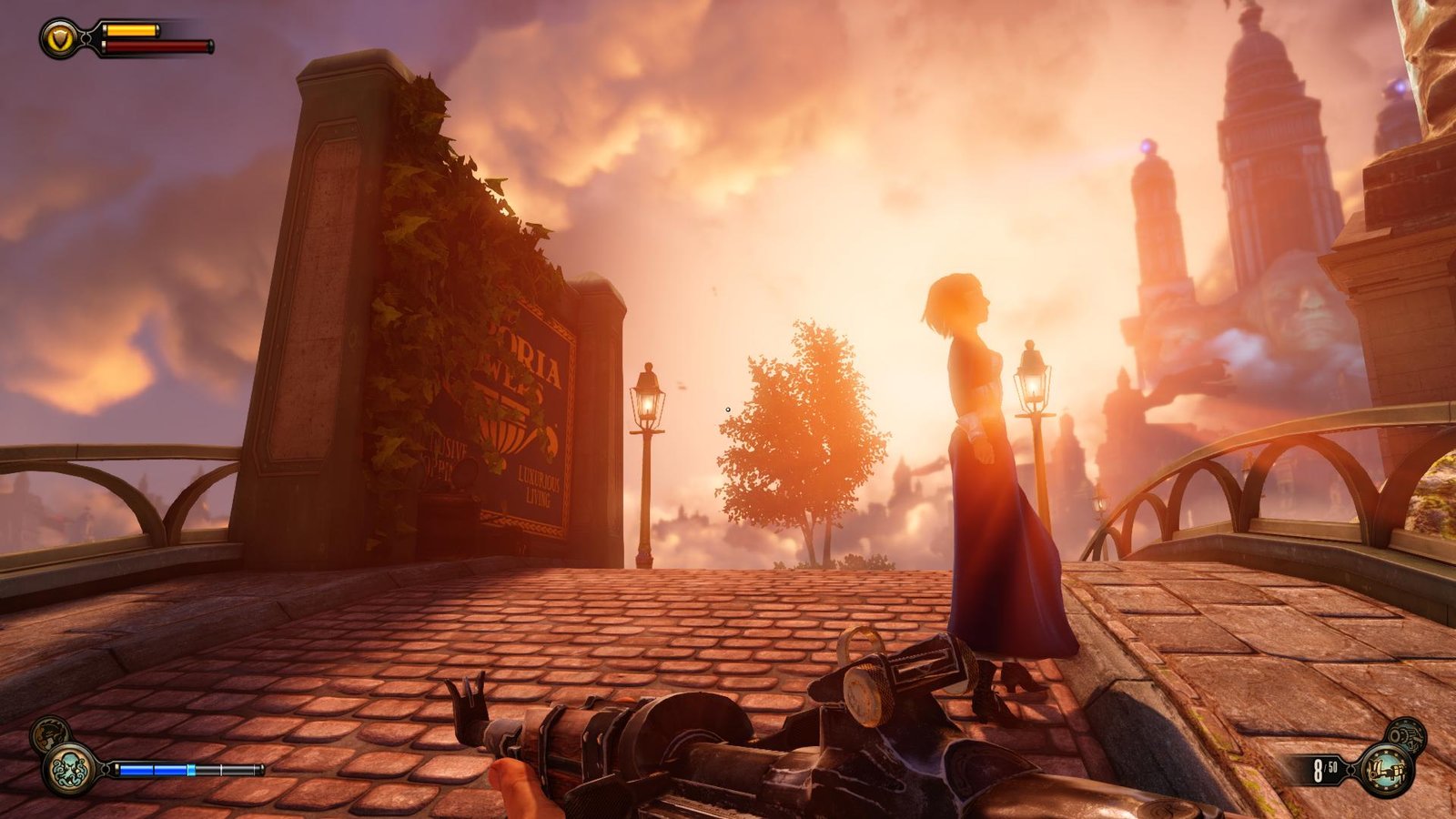
Introduction to Life and Survival Simulators
Life and survival simulators represent a unique genre within the gaming world that captivates players through their immersive experiences. These games allow individuals to craft virtual lives, managing various elements ranging from character development to resource allocation. The primary purpose of these simulators is to provide a platform where players can engage in storytelling, decision-making, and survival tactics, often mirroring real-life scenarios in a controlled environment.
The appeal of life and survival simulators stems from the freedom they offer. Players can construct their own narratives, build relationships, and face challenges that test their strategic thinking and problem-solving skills. Whether it’s establishing a homestead in a wilderness setting, navigating social dynamics in a community, or simply managing everyday needs, these games create a spectrum of engaging interactions. The thrill of survival, particularly in hostile environments, adds a layer of excitement that many players find exhilarating.
Moreover, the genre has witnessed a significant surge in popularity in recent years. This rise can be attributed to advancements in technology that enhance graphics, gameplay mechanics, and realism. Modern life and survival simulators often include intricate systems for resource management, character interactions, and environmental challenges, making them more engaging than ever. As a result, gamers are drawn to the blend of creativity and adversity, making it possible to escape reality while also grappling with the consequences of their virtual choices.
In this exploration of life and survival simulators, we will delve deeper into the mechanisms that make these games appealing, the various themes they explore, and the impact they have on players. This analysis aims to provide players with a comprehensive understanding of the potential that lies within this captivating genre.
Top Life Simulation Games
Life simulation games have gained immense popularity due to their immersive gameplay and ability to mimic real-life experiences. Among the most celebrated titles in this genre is the The Sims series, which provides players with a platform to create and control virtual lives. This franchise is renowned for its intricate gameplay mechanics that allow for personalized character development and household management. Players can build homes, establish relationships, and guide their Sims through various life stages, all while enjoying a vibrant and detailed world.
Another highly regarded title is Animal Crossing. This game invites players to engage in a relaxed village life, where they can interact with anthropomorphic animal neighbors. The gameplay focuses on activities such as fishing, gardening, and home customization, facilitating a sense of community and exploration. The charming graphics and seasonal events further enhance the player experience, making each session unique and encouraging creativity in designing personal spaces.
Stardew Valley offers an engaging take on life simulation by combining farming mechanics with role-playing elements. Players inherit a dilapidated farm and are tasked with restoring it to its former glory. Along the way, they can forge relationships with townsfolk, participate in seasonal festivals, and explore caves filled with treasures and monsters. The graphics, reminiscent of classic 16-bit games, add to its nostalgic appeal while still providing depth through various activities and quests.
These life simulation games encourage players to cultivate relationships, manage virtual households, and express creativity. They serve as a form of escapism, allowing individuals to navigate life challenges in a controlled environment. With diverse gameplay experiences offered by titles like The Sims, Animal Crossing, and Stardew Valley, it is evident why they remain favorites among gamers seeking both relaxation and engagement in their gaming pursuits.
Best Survival Simulator Games
Survival simulator games present unique challenges that engage players in a test-based environment, pushing their strategic thinking and resource management skills to the limit. This genre typically immerses gamers in an open world where survival hinges on the ability to gather resources, craft tools, and navigate environmental threats. Popular titles such as Rust, ARK: Survival Evolved, and The Long Dark exemplify these core elements, each with their own distinctive landscapes and necessary survival tactics.
Rust offers a gritty take on survival, placing players in a harsh environment where they must gather materials and craft items to fortify their base while fending off potential threats from wildlife and other players. The competitive nature of Rust compels players to strategize not only for their survival but to conquer others, making alliances and navigating the complexities of the community.
On the other hand, ARK: Survival Evolved transports players to a prehistoric world filled with dinosaurs and other ancient beasts. Beyond the sheer thrill of taming these creatures, players must also focus on resource gathering and exploitation of the environment to create shelter and tools, further enhancing their overall survival capabilities. Survival in ARK is complemented by a detailed crafting system that allows for a wealth of creation, broadening the gameplay experience significantly.
The Long Dark takes a more solitary approach by setting players in the vast wilderness of Canada. Here, survival relies heavily on managing warmth, food, and mental health in the face of environmental hazards. The game’s atmospheric tension and emphasis on strategy make each decision crucial, embodying the essence of survival simulation. Players must adeptly navigate resource scarcity and the psychological strains of isolation, presenting a distinct challenge within the genre.
In conclusion, survival simulator games offer a diverse range of experiences, making them appealing to gamers who thrive on challenges. Whether it is through competitive play, resource management, or environmental navigation, each title brings forth unique survival tactics that enhance player engagement in this genre.
Combining Life and Survival Elements
In the realm of gaming, the combination of life simulation and survival mechanics offers a multifaceted experience that captivates players. Games such as Don’t Starve and Banished exemplify this blend by requiring players to maintain not only the well-being of their characters but also the sustainability of their communities amidst perilous conditions.
Don’t Starve, developed by Klei Entertainment, immerses players in a dark, whimsical world filled with challenges that demand strategic decision-making. Players control a character who must gather resources, craft items, and build shelters while managing hunger, health, and sanity. The survival elements introduce various environmental threats, including hostile creatures and changing seasons, which require strategic planning and adaptability. Alongside these survival mechanics, players are given the freedom to shape their characters’ lives, dictating how they interact with the environment, acquire skills, and even create their own storylines through choices and actions. This blend ensures that every player’s journey is unique, enhancing replayability.
Similarly, Banished challenges players to build a thriving settlement from scratch while managing the survival of its inhabitants. Here, players must balance resource allocation, infrastructure development, and population growth against the backdrop of natural disasters and food shortages. The intricate simulation of village life necessitates players to make difficult decisions, impacting both immediate survival and long-term success. The game emphasizes the importance of strategic planning, as failure to adequately manage resources can lead to the downfall of the entire settlement.
Overall, the fusion of life simulation and survival elements in these games not only provides entertainment but also promotes critical thinking and resource management skills. Each title delivers a distinct experience that pushes players to confront survival challenges while simultaneously nurturing their characters and communities, making the genre an intriguing landscape for gamers looking for depth and complexity.
No responses yet